Relate, Reflect, Reconcile: A Companion Pilgrimage of Witness and Renewal
Relate, Reflect, Reconcile: A Companion Pilgrimage of Witness and Renewal
Donna Wessel Walker, Companion, Ann Arbor Chapter
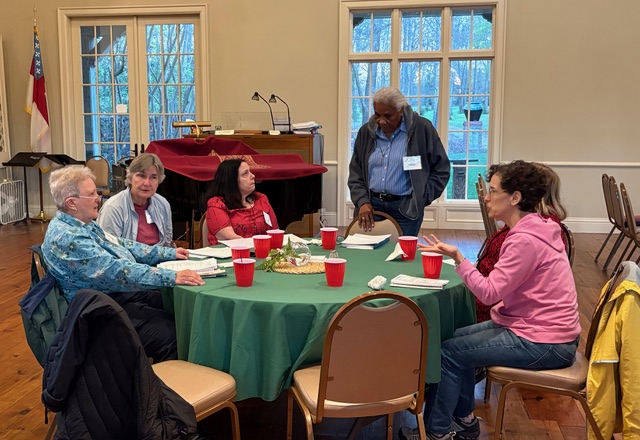
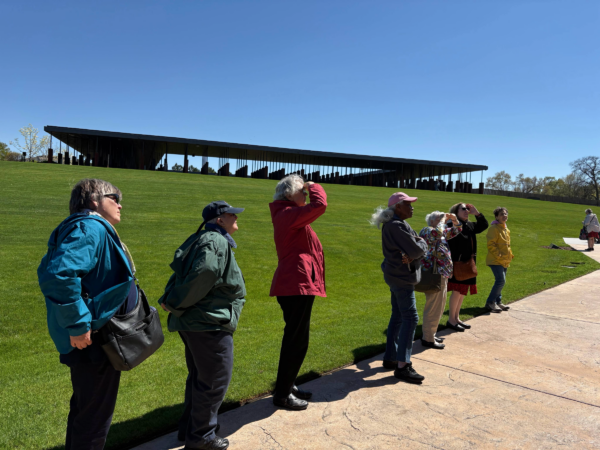
In the middle of March, about 20 Companions gathered for a pilgrimage of learning, (re)discovery, reflection, prayer, community, and witness in a communal confrontation with our country’s racial and racist past. We shared meals and worship, visited historic sites of crucial events in the Civil Rights Movement, and reflected on what we were witnessing and what it meant to each of us. We gathered in Atlanta and travelled to Montgomery, and then to Selma, visiting sites along the “Civil Rights Trail.”
What did it feel like to be on this pilgrimage? None of us pilgrims were newbies to the history and issues of racism and racial injustice in this country, but all of us, even the most expert, learned new-to-us information and experienced this history in deeper, visceral ways. We were all overwhelmed by the harsh realities of slavery, lynching, voting suppression, job and education discrimination, housing exclusions, and the daily grind of hostility that are too much of the history of our country.
Many of the places where we learned these stories were part of Bryan Stevenson’s Equal Justice Initiative, which is doing phenomenal work preserving and presenting the sites, artifacts, documents, and even the soil of this history.
I think we were all overwhelmed also by how many “good people” supported and participated in such hatred, going to church the day after attending a lynching, or fervently opposing school desegregation to preserve “morality.” I remember being in the section of the Legacy Museum dealing with integration; I had listened to some audio statements, watched some videos, and read wall plaques of civil rights members and leaders.
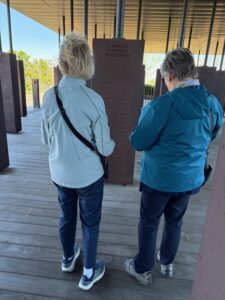
Then I turned to go through quotes on a facing wall, where I was stunned to see quotations by segregationists, white supremacists, and everyday racists claiming “segregation forever.” It nearly bent me over; I grabbed my hair in an instinctive, ancient gesture of grief and rejection. How could “good Christian people” feel and say such things about their human kin? That question continued to haunt us as we returned to our own lives and to the ongoing life of the Companionship.
So, how does it affect us now that we’re home? I know that all of us are committed to continuing this learning, reflection, and communication in the wider Companionship; we all want to do something as a Society to address the issues of ongoing racism and injustice. It has been even harder than usual to bear the news that so many of our fellow citizens seem determined to roll back the rights and opportunities the Civil Rights movement won for all of us. African Americans enjoined us not to look away from harsh realities; I feel the importance of that more every day.
Since our return from the pilgrimage, we have shared our experiences with fellow Companions in newsletters and meetings. We’ll have more discussions as we discern how to live more fully into our vocation of transformation and reconciliation and to act on our Companion vow: To pray and work for social justice and peace, the unity of all God’s people and the mission of God in the world.